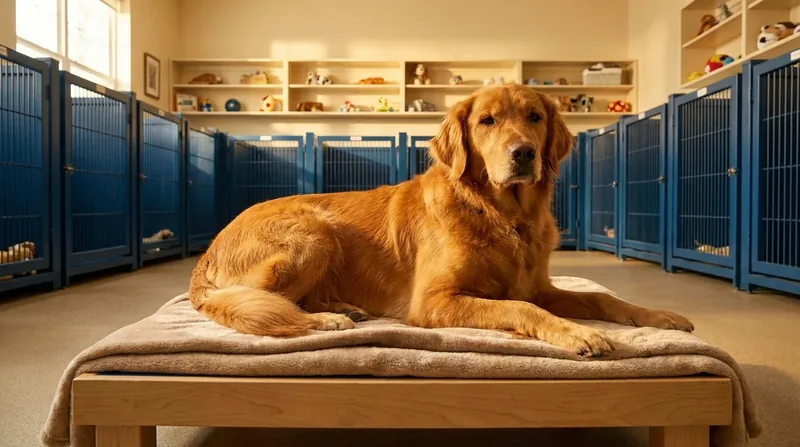
How to Start a Pet Grooming, Boarding or Breeding Business in Florida
How to Start a Pet Grooming, Boarding or Breeding Business in Florida
Florida does not issue a state license for pet grooming, pet boarding, or dog breeding. If you have searched for a dog breeding license Florida or a pet grooming license Florida, the short answer is that the state does not require one for these businesses. That makes the start-up simpler in some ways, but the rules that do apply are spread across the Florida Department of State, the Florida Department of Revenue, your county, and your city. Missing one of them is the most common way new pet businesses run into trouble.
This guide walks through forming the business, registering it, and checking the local and state rules that apply to grooming, boarding, and breeding. It also covers the pet dealer rules that reach some breeders, and it shows you where to confirm each requirement before you spend money.
What Florida Regulates and What It Does Not
Florida regulates pet businesses through general business rules, local permits, and a narrow set of pet dealer rules. Sort your plans into the categories below before you choose a location or sign a lease.
| Business | Statewide license | What may apply locally | State rules that may apply |
|---|---|---|---|
| Pet grooming | None | Local business tax receipt and zoning for a commercial address | Business formation, sales tax if you sell taxable goods or services |
| Pet boarding | None | Local business tax receipt, zoning, and some county kennel permits | Business formation, sales tax if applicable |
| Dog or cat breeding | None | Some counties require kennel or pet dealer permits | Pet dealer rules in s. 828.29 if you reach the pet dealer threshold |
The local business tax receipt is a tax under Chapter 205 of the Florida Statutes. It is not a competency license, so it does not test your skills or your facility. Not every county or city levies one, and the office that issues it varies by location. Ask your local government whether a receipt applies to your exact address.
Breeding has had the most legislative attention. Two 2026 bills that would have created a state breeder license, SB 1356 and HB 1521, were not enacted. SB 1004 (ch. 2026-76, effective 7/1/2026) instead directs the Department of Business and Professional Regulation (DBPR) to publish voluntary best management practices for dog breeders. Voluntary guidance is not a permit you must hold, but it is worth reading before you build your operating procedures. Confirm the current text with DBPR before you rely on it.
Materials and Information to Gather First
You do not need specialized equipment to file paperwork, but you will need the following before you start the steps below.
- Your legal business name, with a check that it is available on the Sunbiz business search
- A physical Florida street address for your registered agent (a P.O. Box will not work)
- A written budget covering filing fees, equipment or kennel build-out, insurance, and several months of operating costs
- Zoning contact information for the city or county where you plan to operate
- A working relationship with a licensed veterinarian and a written health protocol
- Insurance quotes for general liability and, for boarding, coverage for animals in your care
- A federal Employer Identification Number (EIN), a business bank account, and a records system such as a spreadsheet or practice software
- If you plan to sell products or taxable services, your sales tax registration information
Step-by-Step: Starting a Pet Business in Florida
Step 1: Choose your service mix and check the pet dealer line
Decide whether you will groom, board, breed, or some combination. Breeding is the activity that most often brings a business under state pet dealer rules. Florida defines a pet dealer as anyone who sells three or more litters or 30 or more pets a year. A groomer or boarding facility that does not sell animals is not counted by that threshold, but a breeder who sells puppies or kittens may be. Count your planned sales before you finalize your business plan, because the threshold applies to what you actually sell, not what you intend to keep.
Step 2: Confirm zoning and the local business tax receipt before you sign a lease
Call the zoning office for the city or county where the property sits. Ask whether grooming, boarding, or breeding is a permitted use in that zone. Ask specifically about outdoor runs, kennel structures, waste handling, and noise, because these are the issues that most often cause a denied permit or a neighbor complaint. Then ask whether a local business tax receipt applies to the address. Get the answers in writing if you can.
Step 3: Check county kennel and pet dealer permits
Some Florida counties require a kennel permit or a pet dealer permit on top of the general rules. Pinellas County, for example, requires a pet dealer or kennel permit at $200 a year, with an annual inspection. Other counties may charge different amounts, inspect on a different schedule, or require no permit at all. Check with your county animal services office and confirm the current fee and inspection process before you open or start breeding.
Step 4: Choose a structure and file with the Division of Corporations
Most small pet businesses form a limited liability company. Filing Articles of Organization costs $125 in total, including the $25 registered agent designation, and you can file online through Sunbiz eFile at dos.fl.gov/sunbiz/start-business/efile/fl-llc/. The name must end in Limited Liability Company, LLC, or L.L.C., and it must be distinguishable on state records. Do not assume your name is approved until you receive a filing acknowledgment. If you need time, a name reservation costs $25 and holds the name for 120 days.
Every LLC must designate a registered agent with a Florida street address and the agent must sign to accept the appointment. The designation carries a required fee of $25. An entity cannot serve as its own registered agent, but an owner or officer can.
A corporation is an alternative. The Articles of Incorporation for a Florida profit corporation cost $70 to file, and the Profit Annual Report costs $150. Most small pet businesses do not need a corporation, so compare the ongoing costs and tax treatment with a CPA before you choose.
The Division of Corporations offers no expedited filing service. Online filings are processed in the order received, and no turnaround time is guaranteed. If you need faster service, walk-in service is available at 2415 N. Monroe Street, Suite 810, Tallahassee, Monday to Friday, 8am to 5pm, where most requests are completed while you wait.
Step 5: Register a fictitious name if you will use a DBA
If your public name differs from your LLC name, you must register a fictitious name. The registration costs $50 and renewal costs $50. A registration is valid for five years and expires on December 31 of the fifth year. You file it with the Division of Corporations, not your county, through the fictitious name registration page. Florida also requires the name to be advertised at least once in a newspaper in the county of your principal place of business, though you do not file proof of the advertisement.
Step 6: Register for sales tax before you begin business
Businesses that sell taxable goods or services must register as a sales and use tax dealer with the Florida Department of Revenue before they begin business. The state sales tax rate is 6%, and you can register through the Department of Revenue registration page. Groomers and boarding facilities often sell shampoos, treats, collars, or add-on services, and some of those sales may be taxable. Do not assume your services are exempt or taxable. Confirm the treatment of each product and service with the Department of Revenue or a CPA.
Step 7: Set up insurance, contracts, and veterinary protocols
Get liability insurance before you accept your first client or animal. For boarding, ask your insurer specifically about coverage for animals in your care, because a general policy may not cover them. Draft a client agreement that covers intake, vaccination requirements, emergency veterinary authorization, pickup policies, and payment terms. Have an attorney review the agreement, since the enforceability of waivers and liability terms depends on the facts and on Florida law.
Step 8: Build breeding compliance into your sales process
If you reach the pet dealer threshold, Florida's pet dealer rules under s. 828.29 apply. Dealers must provide an official certificate of veterinary inspection with each animal, and no dog or cat under 8 weeks old may be sold. Buyer rights changed on 7/1/2026. A buyer now has 30 days, up from 14, to claim that an animal is unfit, and must notify the dealer within 7 business days. Build those timelines into your sales agreement and your recordkeeping, and have an attorney confirm the exact notice and claim procedure before you sell.
Step 9: Set up your records and daily procedures
Written procedures prevent most of the problems that lead to complaints. For grooming, keep client intake forms, vaccination proof, sanitation logs, and incident notes. For boarding, add feeding and medication schedules, kennel cleaning logs, and emergency contact records. For breeding, keep a litter registry, health and vaccination records for every animal, and copies of every sales agreement and certificate of veterinary inspection. Store these records in a way you can retrieve them quickly during a county inspection.
Step 10: Calendar your annual deadlines
An LLC must file its Annual Report each year between January 1 and May 1. The fee is $138.75. A report filed after May 1 carries a $400 late fee, for a total of $538.75. If the report is not filed by the third Friday in September, the LLC faces administrative dissolution. Set reminders for the Annual Report, your county permit renewal, your local business tax receipt renewal if one applies, and any fictitious name renewal, which may be filed between July 1 and December 31 of the expiration year.
Common Mistakes to Avoid
- Assuming there is a state license. Florida has no statewide grooming, boarding, kennel, or breeder license. Searching for one wastes time. Focus on local permits and general business rules instead.
- Signing a lease before checking zoning. A property that works for grooming may not allow outdoor runs or overnight animal care. Confirm the use in writing first.
- Skipping the county permit check. Some counties require a kennel or pet dealer permit with an annual inspection. Discovering this after you open can mean fines or a forced shutdown.
- Miscounting your sales. The pet dealer threshold is 3 or more litters or 30 or more pets a year. Track every sale from the start so you know which rules apply.
- Using an unapproved name. Do not print signs or advertise until you receive your filing acknowledgment.
- Missing the sales tax registration. Register before you begin business if you sell taxable goods or services, rather than after your first invoice.
- Relying on a general insurance policy for boarding. Ask specifically whether animals in your care are covered.
- Forgetting the Annual Report. An LLC that misses the May 1 deadline pays a $400 late fee, and one that misses the third Friday in September risks administrative dissolution.
Tips for a Smoother Start
- Ask the county animal services office for a written list of every permit that applies to your address and planned activity.
- Read DBPR's voluntary breeder best management practices once they are available, even though they are not mandatory. Following them may make your operation easier to explain to buyers and regulators.
- Visit the Florida SBDC Network at floridasbdc.org for free small business advising near you.
- Keep your records in one system from day one. Inspectors and buyers ask for the same documents.
Expected Results
Doing these steps in order gives you a legally formed business with the permits and registrations that apply to your location and services. A clean paper trail, written protocols, and clear client agreements may help you answer questions quickly, avoid disputes, and build trust with clients and inspectors. These steps do not guarantee approval from any county, a specific number of clients, or any particular revenue. Results depend on your location, your local rules, your management, and the market you serve.
Next Steps and Official Resources
Start with the Sunbiz business search at search.sunbiz.org to check your name, then file through the Florida Division of Corporations. Register for sales tax through the Florida Department of Revenue. Then call your county and city offices to confirm zoning, the local business tax receipt, and any kennel or pet dealer permit.
Disclaimer
This article is informational only. It is not legal or tax advice, and it does not create an attorney-client or accountant-client relationship. Florida pet laws, county permits, and fees change, and the figures above reflect the information available when this guide was written. Confirm every requirement with the named agency before you act. Because pet businesses face animal care, contract, liability, and tax questions, consult a Florida attorney and a CPA before you form the business, sign a lease, or begin selling animals.
Keep exploring: related Florida guides
- How to Open a Tattoo Shop in Florida
- How to Start an Esthetician or Nail Business in Florida
- How to Open a Hair Salon in Florida
- How to Open a Barbershop in Florida
- How to Start an LLC in Florida
- Florida Business License
- How Much Does It Cost to Start a Business in Florida
- All Florida business types
- Every Florida guide in one place